Ayurvedic Treatment for Joint Pain – Pain Relief Naturally

Ayurvedic Treatment for Joint Pain in Dombivli – Pain Relief Naturally

Joint pain is one of the most common and disabling health concerns today, affecting people of all ages. Whether caused by aging, arthritis, injury, overuse, or lifestyle imbalance, persistent joint pain can severely limit mobility and quality of life. Many individuals now seek natural, long-term solutions rather than short-term pain suppression.

Ayurvedic treatment for joint pain in Dombivli offers a holistic and time-tested approach that focuses on relieving pain naturally, improving joint function, and preventing recurrence through authentic and experience-based care.
Ayurvedic Treatment for Joint Pain in Dombivli – Pain Relief Naturally  Joint pain is one of the most common and disabling health concerns today, affecting people of all ages. Whether caused by aging, arthritis, injury, overuse, or lifestyle imbalance, persistent joint pain can severely limit mobility and quality of life. Many individuals now seek natural, long-term solutions rather than short-term pain suppression.  Ayurvedic treatment for joint pain in Dombivli offers a holistic and time-tested approach that focuses on relieving pain naturally, improving joint function, and preventing recurrence through authentic and experience-based care.  Image  Image      Understanding Joint Pain from an Ayurvedic Perspective According to Ayurveda, joint pain primarily arises due to an imbalance of Vata dosha, often combined with toxin accumulation (Ama). Poor digestion, irregular routines, excessive physical strain, aging, stress, and improper diet can all aggravate Vata and lead to stiffness, pain, swelling, and reduced mobility.  Rather than treating joint pain as a local problem, Ayurveda views it as a systemic imbalance that must be corrected at its root.  Why Choose Ayurvedic Treatment for Joint Pain? Ayurvedic treatment aims to provide natural and lasting relief, not just temporary comfort. Its effectiveness lies in its comprehensive approach, which includes:  Root-cause diagnosis  Natural pain relief without dependency  Improvement of joint lubrication and strength  Reduction of inflammation and stiffness  Prevention of further degeneration  This makes Ayurveda especially suitable for chronic joint pain and degenerative conditions.  Experience-Focused Ayurvedic Care in Dombivli Managing joint pain—especially long-standing or degenerative conditions—requires clinical experience. Years of hands-on Ayurvedic practice allow accurate assessment of joint disorders, proper therapy selection, and gradual correction without aggravation.  Experienced Ayurvedic care helps manage:  Osteoarthritis  Rheumatoid arthritis  Cervical and lumbar spondylosis  Knee pain and stiffness  Shoulder pain and frozen shoulder  Back pain and sciatica  Experience ensures treatments are adapted to age, strength, and disease stage.  Personalized Treatment for Effective Pain Relief Ayurveda does not follow a standard protocol for joint pain. Treatment is personalized based on:  Body constitution (Prakriti)  Severity and duration of pain  Digestive strength  Age and daily activity  Associated conditions  This individualized approach ensures safer therapy and better long-term outcomes.  Natural Therapies Used in Ayurvedic Joint Care Ayurvedic treatment for joint pain may include:  Herbal formulations to balance Vata and reduce inflammation  External therapies such as oil massage (Abhyanga)  Localized heat therapies (Swedana)  Joint-specific procedures when required  These therapies improve circulation, nourish tissues, and restore joint flexibility naturally.  Role of Panchakarma in Joint Pain Management In chronic and severe cases, Panchakarma therapy may be advised to remove deep-seated toxins and rebalance Vata dosha.  Benefits of Panchakarma for joint pain include:  Reduction in stiffness and swelling  Improved joint mobility  Better response to medicines  Long-term pain control  Panchakarma is always planned carefully with proper preparation and post-therapy care.  Diet and Lifestyle: Essential for Joint Health Ayurvedic treatment emphasizes that medicines alone are not enough. Diet and lifestyle play a crucial role in joint pain relief.  Patients are guided on:  Anti-Vata dietary choices  Proper meal timing  Gentle physical activity  Posture and movement correction  Stress management and sleep hygiene  These changes help maintain joint health and prevent recurrence.  Trust Built Through Ethical and Patient-Centric Care Authentic Ayurvedic treatment for joint pain focuses on:  Honest evaluation  Gradual improvement  Safe and ethical therapies  Long-term joint preservation  Quick promises are avoided in favor of steady and sustainable healing.  Always Consult a Qualified Ayurvedic Doctor Joint pain can have multiple causes and stages. Always consult a qualified Ayurvedic doctor for proper diagnosis, treatment planning, dosage, and therapy selection. Avoid self-medication or unsupervised therapies.  Frequently Asked Questions (FAQs) 1. Can Ayurveda really help joint pain? Yes. Ayurveda is highly effective in managing joint pain by correcting underlying imbalance and improving joint function.  2. Is Ayurvedic treatment safe for joint pain? When guided by a qualified Ayurvedic doctor, treatments are safe and natural.  3. How long does Ayurvedic treatment take to show results? Relief may begin gradually, with sustained improvement over time depending on severity and chronicity.  4. Can Ayurveda help arthritis? Yes. Ayurveda is widely used to manage osteoarthritis, rheumatoid arthritis, and degenerative joint disorders.  5. Is Panchakarma necessary for all joint pain cases? No. Panchakarma is recommended only when clinically indicated.  6. Does Ayurveda reduce inflammation? Yes. Ayurvedic therapies help reduce inflammation naturally.  7. Can Ayurvedic treatment prevent surgery? In many cases, Ayurveda helps delay or avoid surgery by improving joint function—results vary by condition.  8. Are Ayurvedic medicines natural? Most Ayurvedic medicines are derived from natural sources and support tissue nourishment.  9. Is Ayurveda suitable for elderly patients with joint pain? Yes, with proper modification and professional supervision.  10. Does diet really affect joint pain? Yes. Improper diet aggravates Vata and worsens joint pain.  11. Can Ayurveda help stiffness and reduced mobility? Yes. Ayurvedic therapies improve flexibility and lubrication of joints.  12. Is Ayurvedic treatment painful? No. Therapies are designed to be therapeutic and soothing.  13. Can Ayurveda be combined with physiotherapy? Yes, when coordinated under professional guidance.  14. Can joint pain recur after Ayurvedic treatment? Proper lifestyle and diet reduce recurrence significantly.  15. Why is consulting an Ayurvedic doctor important? Because joint pain requires personalized diagnosis and treatment planning.  Ayurvedic treatment for joint pain in Dombivli offers natural, effective, and long-term relief by addressing the root cause and restoring balance. Always consult a qualified Ayurvedic doctor for personalized guidance and safe, effective care.

Ayurvedic Treatment for Joint Pain in Dombivli – Pain Relief Naturally  Joint pain is one of the most common and disabling health concerns today, affecting people of all ages. Whether caused by aging, arthritis, injury, overuse, or lifestyle imbalance, persistent joint pain can severely limit mobility and quality of life. Many individuals now seek natural, long-term solutions rather than short-term pain suppression.  Ayurvedic treatment for joint pain in Dombivli offers a holistic and time-tested approach that focuses on relieving pain naturally, improving joint function, and preventing recurrence through authentic and experience-based care.  Image  Image      Understanding Joint Pain from an Ayurvedic Perspective According to Ayurveda, joint pain primarily arises due to an imbalance of Vata dosha, often combined with toxin accumulation (Ama). Poor digestion, irregular routines, excessive physical strain, aging, stress, and improper diet can all aggravate Vata and lead to stiffness, pain, swelling, and reduced mobility.  Rather than treating joint pain as a local problem, Ayurveda views it as a systemic imbalance that must be corrected at its root.  Why Choose Ayurvedic Treatment for Joint Pain? Ayurvedic treatment aims to provide natural and lasting relief, not just temporary comfort. Its effectiveness lies in its comprehensive approach, which includes:  Root-cause diagnosis  Natural pain relief without dependency  Improvement of joint lubrication and strength  Reduction of inflammation and stiffness  Prevention of further degeneration  This makes Ayurveda especially suitable for chronic joint pain and degenerative conditions.  Experience-Focused Ayurvedic Care in Dombivli Managing joint pain—especially long-standing or degenerative conditions—requires clinical experience. Years of hands-on Ayurvedic practice allow accurate assessment of joint disorders, proper therapy selection, and gradual correction without aggravation.  Experienced Ayurvedic care helps manage:  Osteoarthritis  Rheumatoid arthritis  Cervical and lumbar spondylosis  Knee pain and stiffness  Shoulder pain and frozen shoulder  Back pain and sciatica  Experience ensures treatments are adapted to age, strength, and disease stage.  Personalized Treatment for Effective Pain Relief Ayurveda does not follow a standard protocol for joint pain. Treatment is personalized based on:  Body constitution (Prakriti)  Severity and duration of pain  Digestive strength  Age and daily activity  Associated conditions  This individualized approach ensures safer therapy and better long-term outcomes.  Natural Therapies Used in Ayurvedic Joint Care Ayurvedic treatment for joint pain may include:  Herbal formulations to balance Vata and reduce inflammation  External therapies such as oil massage (Abhyanga)  Localized heat therapies (Swedana)  Joint-specific procedures when required  These therapies improve circulation, nourish tissues, and restore joint flexibility naturally.  Role of Panchakarma in Joint Pain Management In chronic and severe cases, Panchakarma therapy may be advised to remove deep-seated toxins and rebalance Vata dosha.  Benefits of Panchakarma for joint pain include:  Reduction in stiffness and swelling  Improved joint mobility  Better response to medicines  Long-term pain control  Panchakarma is always planned carefully with proper preparation and post-therapy care.  Diet and Lifestyle: Essential for Joint Health Ayurvedic treatment emphasizes that medicines alone are not enough. Diet and lifestyle play a crucial role in joint pain relief.  Patients are guided on:  Anti-Vata dietary choices  Proper meal timing  Gentle physical activity  Posture and movement correction  Stress management and sleep hygiene  These changes help maintain joint health and prevent recurrence.  Trust Built Through Ethical and Patient-Centric Care Authentic Ayurvedic treatment for joint pain focuses on:  Honest evaluation  Gradual improvement  Safe and ethical therapies  Long-term joint preservation  Quick promises are avoided in favor of steady and sustainable healing.  Always Consult a Qualified Ayurvedic Doctor Joint pain can have multiple causes and stages. Always consult a qualified Ayurvedic doctor for proper diagnosis, treatment planning, dosage, and therapy selection. Avoid self-medication or unsupervised therapies.  Frequently Asked Questions (FAQs) 1. Can Ayurveda really help joint pain? Yes. Ayurveda is highly effective in managing joint pain by correcting underlying imbalance and improving joint function.  2. Is Ayurvedic treatment safe for joint pain? When guided by a qualified Ayurvedic doctor, treatments are safe and natural.  3. How long does Ayurvedic treatment take to show results? Relief may begin gradually, with sustained improvement over time depending on severity and chronicity.  4. Can Ayurveda help arthritis? Yes. Ayurveda is widely used to manage osteoarthritis, rheumatoid arthritis, and degenerative joint disorders.  5. Is Panchakarma necessary for all joint pain cases? No. Panchakarma is recommended only when clinically indicated.  6. Does Ayurveda reduce inflammation? Yes. Ayurvedic therapies help reduce inflammation naturally.  7. Can Ayurvedic treatment prevent surgery? In many cases, Ayurveda helps delay or avoid surgery by improving joint function—results vary by condition.  8. Are Ayurvedic medicines natural? Most Ayurvedic medicines are derived from natural sources and support tissue nourishment.  9. Is Ayurveda suitable for elderly patients with joint pain? Yes, with proper modification and professional supervision.  10. Does diet really affect joint pain? Yes. Improper diet aggravates Vata and worsens joint pain.  11. Can Ayurveda help stiffness and reduced mobility? Yes. Ayurvedic therapies improve flexibility and lubrication of joints.  12. Is Ayurvedic treatment painful? No. Therapies are designed to be therapeutic and soothing.  13. Can Ayurveda be combined with physiotherapy? Yes, when coordinated under professional guidance.  14. Can joint pain recur after Ayurvedic treatment? Proper lifestyle and diet reduce recurrence significantly.  15. Why is consulting an Ayurvedic doctor important? Because joint pain requires personalized diagnosis and treatment planning.  Ayurvedic treatment for joint pain in Dombivli offers natural, effective, and long-term relief by addressing the root cause and restoring balance. Always consult a qualified Ayurvedic doctor for personalized guidance and safe, effective care.


Understanding Joint Pain from an Ayurvedic Perspective

According to Ayurveda, joint pain primarily arises due to an imbalance of Vata dosha, often combined with toxin accumulation (Ama). Poor digestion, irregular routines, excessive physical strain, aging, stress, and improper diet can all aggravate Vata and lead to stiffness, pain, swelling, and reduced mobility.

Rather than treating joint pain as a local problem, Ayurveda views it as a systemic imbalance that must be corrected at its root.

Why Choose Ayurvedic Treatment for Joint Pain?

Ayurvedic treatment aims to provide natural and lasting relief, not just temporary comfort. Its effectiveness lies in its comprehensive approach, which includes:

  • Root-cause diagnosis

  • Natural pain relief without dependency

  • Improvement of joint lubrication and strength

  • Reduction of inflammation and stiffness

  • Prevention of further degeneration

This makes Ayurveda especially suitable for chronic joint pain and degenerative conditions.

Experience-Focused Ayurvedic Care in Dombivli

Managing joint pain—especially long-standing or degenerative conditions—requires clinical experience. Years of hands-on Ayurvedic practice allow accurate assessment of joint disorders, proper therapy selection, and gradual correction without aggravation.

Experienced Ayurvedic care helps manage:

Experience ensures treatments are adapted to age, strength, and disease stage.

Personalized Treatment for Effective Pain Relief

Ayurveda does not follow a standard protocol for joint pain. Treatment is personalized based on:

  • Body constitution (Prakriti)

  • Severity and duration of pain

  • Digestive strength

  • Age and daily activity

  • Associated conditions

This individualized approach ensures safer therapy and better long-term outcomes.

Natural Therapies Used in Ayurvedic Joint Care

Ayurvedic treatment for joint pain may include:

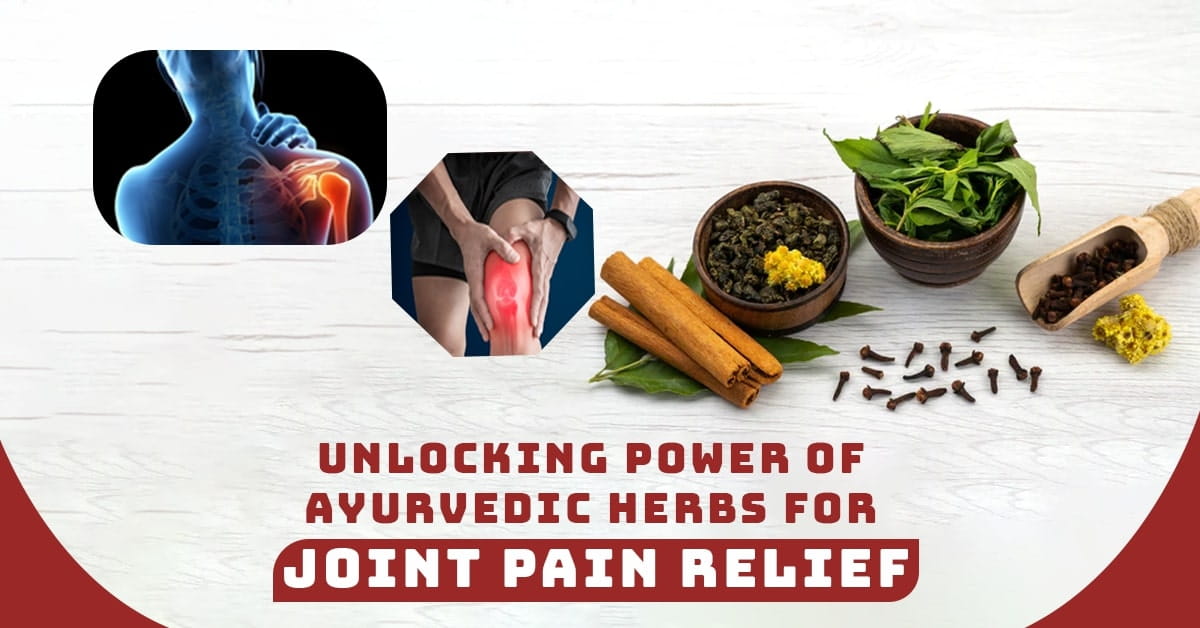
  • Herbal formulations to balance Vata and reduce inflammation

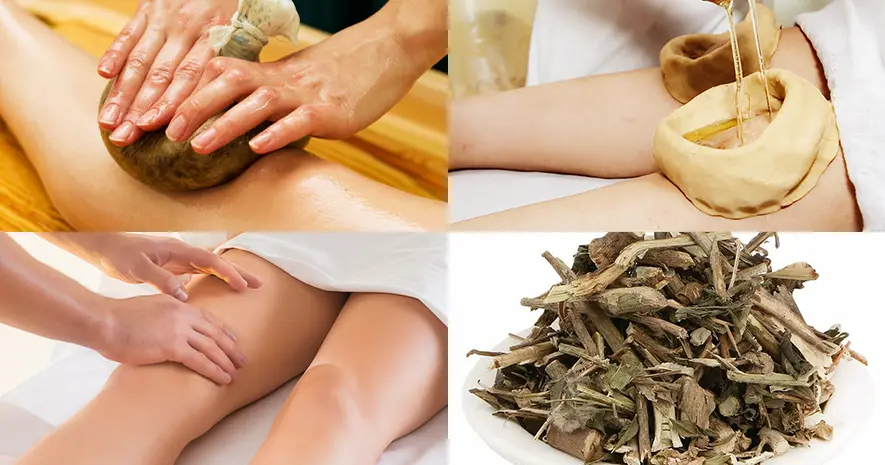
  • External therapies such as oil massage (Abhyanga)

  • Localized heat therapies (Swedana)

  • Joint-specific procedures when required

These therapies improve circulation, nourish tissues, and restore joint flexibility naturally.

Role of Panchakarma in Joint Pain Management

In chronic and severe cases, Panchakarma therapy may be advised to remove deep-seated toxins and rebalance Vata dosha.

Benefits of Panchakarma for joint pain include:

  • Reduction in stiffness and swelling

  • Improved joint mobility

  • Better response to medicines

  • Long-term pain control

Panchakarma is always planned carefully with proper preparation and post-therapy care.

Diet and Lifestyle: Essential for Joint Health

Ayurvedic treatment emphasizes that medicines alone are not enough. Diet and lifestyle play a crucial role in joint pain relief.

Patients are guided on:

  • Anti-Vata dietary choices

  • Proper meal timing

  • Gentle physical activity

  • Posture and movement correction

  • Stress management and sleep hygiene

These changes help maintain joint health and prevent recurrence.

Trust Built Through Ethical and Patient-Centric Care

Authentic Ayurvedic treatment for joint pain focuses on:

  • Honest evaluation

  • Gradual improvement

  • Safe and ethical therapies

  • Long-term joint preservation

Quick promises are avoided in favor of steady and sustainable healing.

Always Consult a Qualified Ayurvedic Doctor

Joint pain can have multiple causes and stages. Always consult a qualified Ayurvedic doctor for proper diagnosis, treatment planning, dosage, and therapy selection. Avoid self-medication or unsupervised therapies.

Frequently Asked Questions (FAQs)

1. Can Ayurveda really help joint pain?

Yes. Ayurveda is highly effective in managing joint pain by correcting underlying imbalance and improving joint function.

2. Is Ayurvedic treatment safe for joint pain?

When guided by a qualified Ayurvedic doctor, treatments are safe and natural.

3. How long does Ayurvedic treatment take to show results?

Relief may begin gradually, with sustained improvement over time depending on severity and chronicity.

4. Can Ayurveda help arthritis?

Yes. Ayurveda is widely used to manage osteoarthritis, rheumatoid arthritis, and degenerative joint disorders.

5. Is Panchakarma necessary for all joint pain cases?

No. Panchakarma is recommended only when clinically indicated.

6. Does Ayurveda reduce inflammation?

Yes. Ayurvedic therapies help reduce inflammation naturally.

7. Can Ayurvedic treatment prevent surgery?

In many cases, Ayurveda helps delay or avoid surgery by improving joint function—results vary by condition.

8. Are Ayurvedic medicines natural?

Most Ayurvedic medicines are derived from natural sources and support tissue nourishment.

9. Is Ayurveda suitable for elderly patients with joint pain?

Yes, with proper modification and professional supervision.

10. Does diet really affect joint pain?

Yes. Improper diet aggravates Vata and worsens joint pain.

11. Can Ayurveda help stiffness and reduced mobility?

Yes. Ayurvedic therapies improve flexibility and lubrication of joints.

12. Is Ayurvedic treatment painful?

No. Therapies are designed to be therapeutic and soothing.

13. Can Ayurveda be combined with physiotherapy?

Yes, when coordinated under professional guidance.

14. Can joint pain recur after Ayurvedic treatment?

Proper lifestyle and diet reduce recurrence significantly.

15. Why is consulting an Ayurvedic doctor important?

Because joint pain requires personalized diagnosis and treatment planning.

Ayurvedic treatment for joint pain in Dombivli offers natural, effective, and long-term relief by addressing the root cause and restoring balance.
Always consult a qualified Ayurvedic doctor for personalized guidance and safe, effective care.


🌿 Share Ayurveda Knowledge